
Healthy Aging at Home: 10 Daily Habits That Support Strength, Brain Health, and Independence
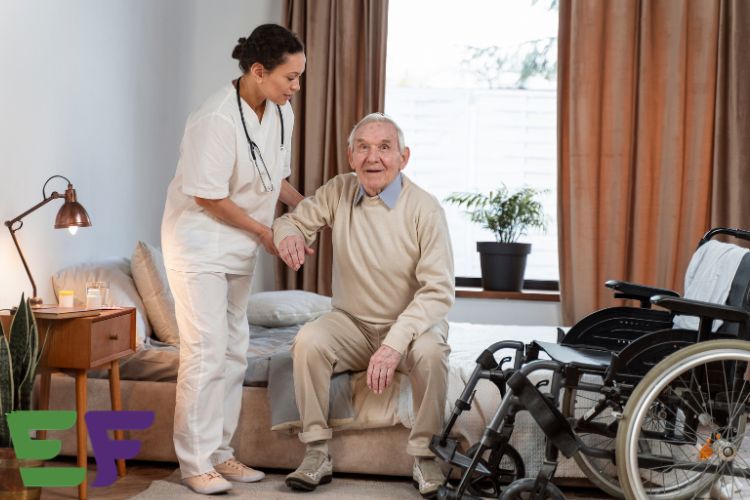
Aging doesn’t mean giving up independence, strength, or a sense of purpose. In fact, many older adults across Maine and New Hampshire thrive well into their later years especially when they build simple, consistent habits. Healthy aging at home routines that support both physical and mental health in communities throughout southern Maine, the Seacoast region of New Hampshire, and surrounding New England areas.
For families, “healthy aging at home” often isn’t about dramatic lifestyle changes. It’s about small, daily choices that reduce risk, maintain routines, and support confidence. These habits don’t just help seniors feel better today they also play a major role in preventing falls, cognitive decline, and avoidable hospitalizations.
Whether you’re an older adult looking to stay independent or a family caregiver supporting a loved one, these 10 daily habits can make a meaningful difference in strength, brain health, and quality of life.
1. Move Every Day (Even a Little)
Daily movement is one of the most powerful tools for healthy aging. It supports muscle strength, balance, joint mobility, heart health, and even mood.
The good news? Exercise doesn’t have to mean intense workouts or gym memberships. For older adults, consistent, gentle movement is far more important than intensity.
Daily movement ideas:
- Short walks (inside or outside)
- Light stretching in the morning or evening
- Chair exercises
- Gentle yoga or tai chi
- Standing up and sitting down a few extra times during the day
Why it matters: Regular movement helps reduce fall risk, maintain independence with daily tasks, and slow age-related muscle loss.
Caregiver tip: If motivation is low, try pairing movement with routine activities—like walking after breakfast or stretching during a favorite TV show.
2. Eat Regular, Balanced Meals
Nutrition fuels everything from muscle strength to brain function. Yet many older adults unintentionally eat less due to changes in appetite, taste, mobility, or memory.
A healthy aging routine includes regular meals with a balance of protein, healthy fats, and complex carbohydrates.
Key nutrition habits:
- Eat at consistent times each day
- Include protein at every meal (eggs, fish, chicken, beans, yogurt)
- Add fruits and vegetables for vitamins and fiber
- Stay mindful of portion sizes without skipping meals
Why it matters: Poor nutrition can lead to weakness, fatigue, weight loss, slower healing, and increased fall risk.
Caregiver tip: Meal prep, grocery assistance, or simple in-home support can help ensure meals are eaten—not just prepared.
3. Stay Hydrated Throughout the Day
Dehydration is common among older adults and often goes unnoticed. Thirst sensation decreases with age, and some seniors limit fluids to avoid frequent bathroom trips.
Unfortunately, even mild dehydration can impact balance, energy levels, digestion, and cognitive clarity.
Daily hydration habits:
- Keep water visible and within reach
- Sip fluids regularly instead of all at once
- Include hydrating foods (soups, fruits, vegetables)
- Pair drinking water with routine activities (meals, medications)
Why it matters: Proper hydration supports brain function, prevents dizziness, and reduces the risk of urinary tract infections and constipation.
Caregiver tip: If bathroom safety is a concern, addressing mobility or toileting support is safer than limiting fluids.
4. Protect Balance and Prevent Falls
Falls are one of the leading causes of injury and loss of independence for older adults but many falls are preventable with daily habits.
Healthy aging at home includes ongoing attention to balance, strength, and environmental safety.
Fall-prevention habits:
- Wear supportive, non-slip footwear
- Keep walkways clear and well-lit
- Use assistive devices consistently if prescribed
- Practice balance exercises regularly
Why it matters: A single fall can start a cascade of health issues, including fear of movement, loss of confidence, and reduced activity.
Caregiver tip: If you notice hesitation, shuffling, or holding onto furniture, it may be time to reassess home safety or add support.
5. Keep the Brain Engaged Every Day
Brain health is just as important as physical strength. Daily mental stimulation helps maintain memory, attention, and problem-solving skills.
Engagement doesn’t have to be complicated—it just needs to be intentional and enjoyable.
Brain-boosting activities:
- Reading, puzzles, or word games
- Listening to music or learning new songs
- Discussing current events or memories
- Learning a new skill or hobby
- Playing cards or board games
Why it matters: Cognitive engagement supports neural connections and may slow age-related cognitive decline.
Caregiver tip: Activities are most effective when they’re social. Even simple conversation counts.
6. Maintain a Consistent Daily Routine
Routine provides structure, reduces anxiety, and supports both physical and cognitive health especially for older adults experiencing memory changes.
A predictable day helps seniors feel grounded and confident in what comes next.
Helpful routine anchors:
- Regular wake-up and bedtime
- Consistent meal times
- Planned activity blocks
- Evening wind-down rituals
Why it matters: Routines reduce confusion, improve sleep, and make it easier to notice when something is “off.”
Caregiver tip: Even if care needs increase, maintaining familiar routines can reduce resistance and stress.
7. Prioritize Quality Sleep
Sleep often changes with age, but quality rest remains essential for healing, memory, mood, and immune health.
Healthy aging at home includes habits that promote consistent, restorative sleep.
Sleep-supporting habits:
- Go to bed and wake up at the same time daily
- Limit long daytime naps
- Reduce caffeine later in the day
- Create a calm bedtime routine
Why it matters: Poor sleep can worsen memory, increase fall risk, and contribute to mood changes.
Caregiver tip: If nighttime confusion or restlessness increases, a structured evening routine can help signal that it’s time to rest.
8. Stay Socially Connected
Social connection is a powerful yet often overlooked component of healthy aging. Loneliness is linked to higher risks of depression, cognitive decline, and even physical illness.
Daily or weekly interaction helps seniors stay emotionally resilient and mentally engaged.
Ways to support connection:
- Regular phone or video calls
- Visits with friends or family
- Shared meals
- Community activities or groups
- Time with a companion caregiver
Why it matters: Feeling connected supports emotional health and motivation to stay active.
Caregiver tip: Social support doesn’t have to be large gatherings consistent one-on-one connection is often most meaningful.
9. Take Medications Safely and Consistently
Medication management is a cornerstone of aging safely at home. Missed doses, double doses, or confusion can quickly lead to health complications.
Healthy habits include organization, routine, and monitoring.
Medication safety habits:
- Take medications at the same time each day
- Use pill organizers or reminders
- Keep an up-to-date medication list
- Watch for side effects or changes
Why it matters: Proper medication management reduces hospitalizations and supports stable health.
Caregiver tip: If medication routines are slipping, extra support or reminders can prevent serious issues.
10. Accept Help Early (Before a Crisis)
One of the most important habits for healthy aging is knowing when to accept help and look into at home care services. Waiting until a crisis often leads to rushed decisions and unnecessary stress.
Support doesn’t mean giving up independence it often protects it.
Signs extra support may help:
- Increased fatigue or weakness
- Missed meals or poor hygiene
- Forgetfulness affecting safety
- Caregiver burnout
- Growing isolation
Why it matters: Early support can prevent falls, improve nutrition, and allow seniors to remain at home longer.
Caregiver tip: Framing help as “extra support” rather than “loss of independence” can make transitions easier.
How In-Home Care Supports Healthy Aging
For many families, in-home care bridges the gap between independence and safety. Companion and personal care services can reinforce these daily habits by providing:
- Encouragement with movement and exercise
- Meal preparation and hydration reminders
- Medication reminders
- Companionship and conversation
- Help with personal care and routines
- Transportation and errands
- Peace of mind for families
Rather than replacing independence, the right support enhances it—allowing older adults to stay active, engaged, and confident in their own homes.
Building Healthy Habits One Day at a Time
Healthy aging at home isn’t about perfection. It’s about consistency, awareness, and adapting as needs change.
Start small:
- Add one daily walk
- Improve one meal
- Introduce one new routine
- Strengthen one area of support
Over time, these habits build resilience helping older adults stay stronger, sharper, and more independent.
Aging at home can be a safe, fulfilling, and empowering experience when daily habits support the whole person body, mind, and emotional well-being.
If you’re caring for an aging loved one or thinking ahead about your own future, remember: the goal isn’t to do everything alone. The goal is to build a support system that keeps life meaningful, safe, and connected.
Extended Family is here to help.
If you’d like guidance or in-home support to reinforce healthy daily routines, our compassionate caregivers are ready to support strength, brain health, and independence right at home.